Magrathea pioneers next-generation electrolytic process technology
Enabling efficient and cost-effective magnesium production from seawater and brines
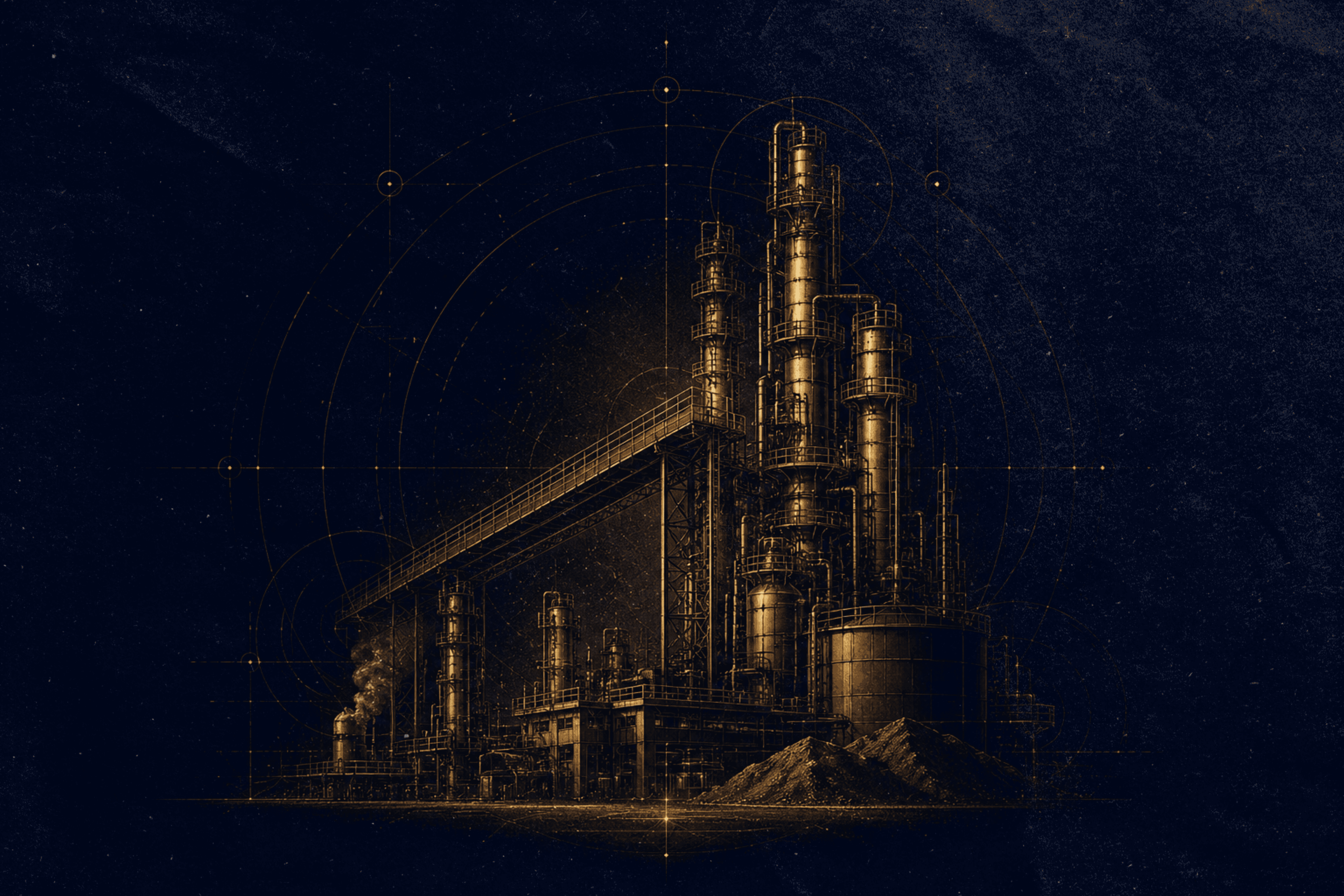
America is rich in seawater and brines
Scarcity of resources is not the reason domestic production capacity has ceased. For a long time, the number one obstacle has been process economics: no one had successfully developed a way to produce magnesium metal at a competitive cost without creating an environmental disaster.

Two ways to make magnesium
For its entire history, magnesium came from one of two routes.
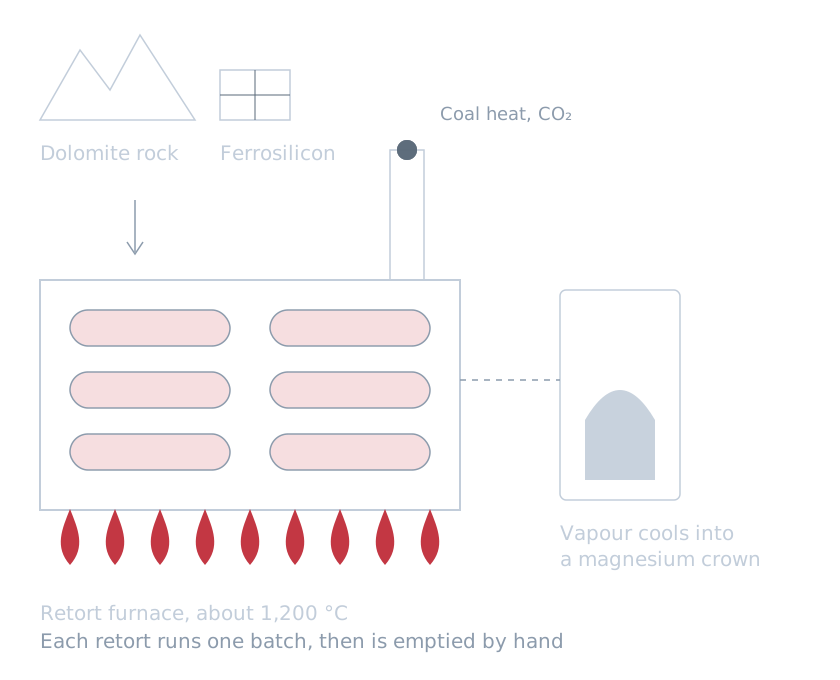
Pidgeon Process
The first bakes mined rock at high heat in small batches. It is how China makes most of the World's supply today: cheap to build, heavy on coal and labor, and hard to replicate anywhere else.
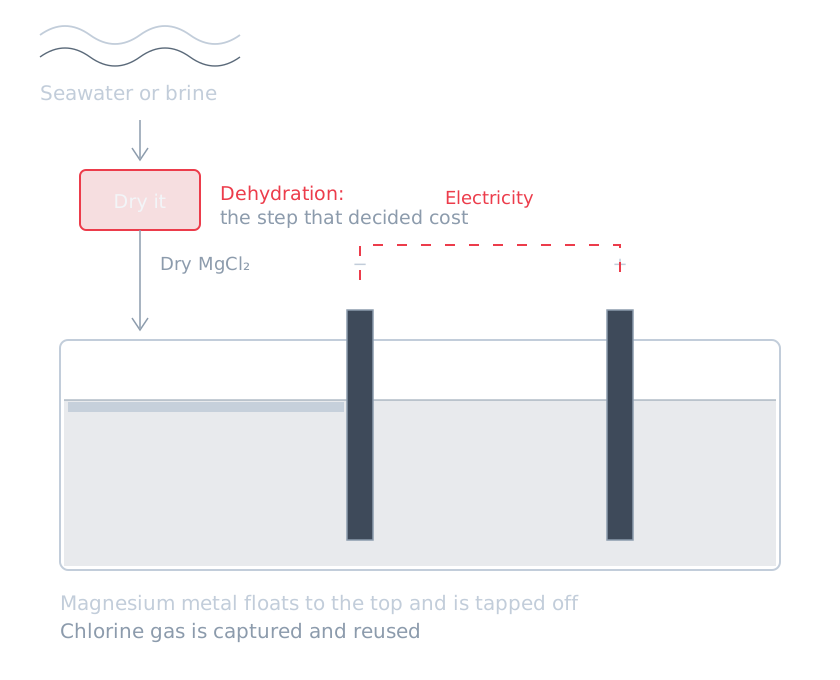
Electrolysis
The second uses electricity. Magnesium chloride from seawater or brine is dried, then split into metal and chlorine in an electrolytic cell. This is the route the West once led. Dow made magnesium from Gulf seawater in Texas for over fifty years, and Western plants ran in Norway, Canada and Utah. One by one, they closed.
The problem was drying salt
Magnesium chloride holds on to water. Heat it to dry it and part of it turns into a useless oxide instead of a usable salt. Feed it into the electrolyzer wet and it forms sludge, wastes power and wears out the cell. Getting this one step right was the difference between a plant that ran and a plant that closed.
The processes used to dry magnesium chloride before feeding it into the electrolyzer determines whether the electrolyzer can reliably perform this function. When dehydration fails, so does the downstream process. This is the step that made Western magnesium production economically unviable when competing with China.
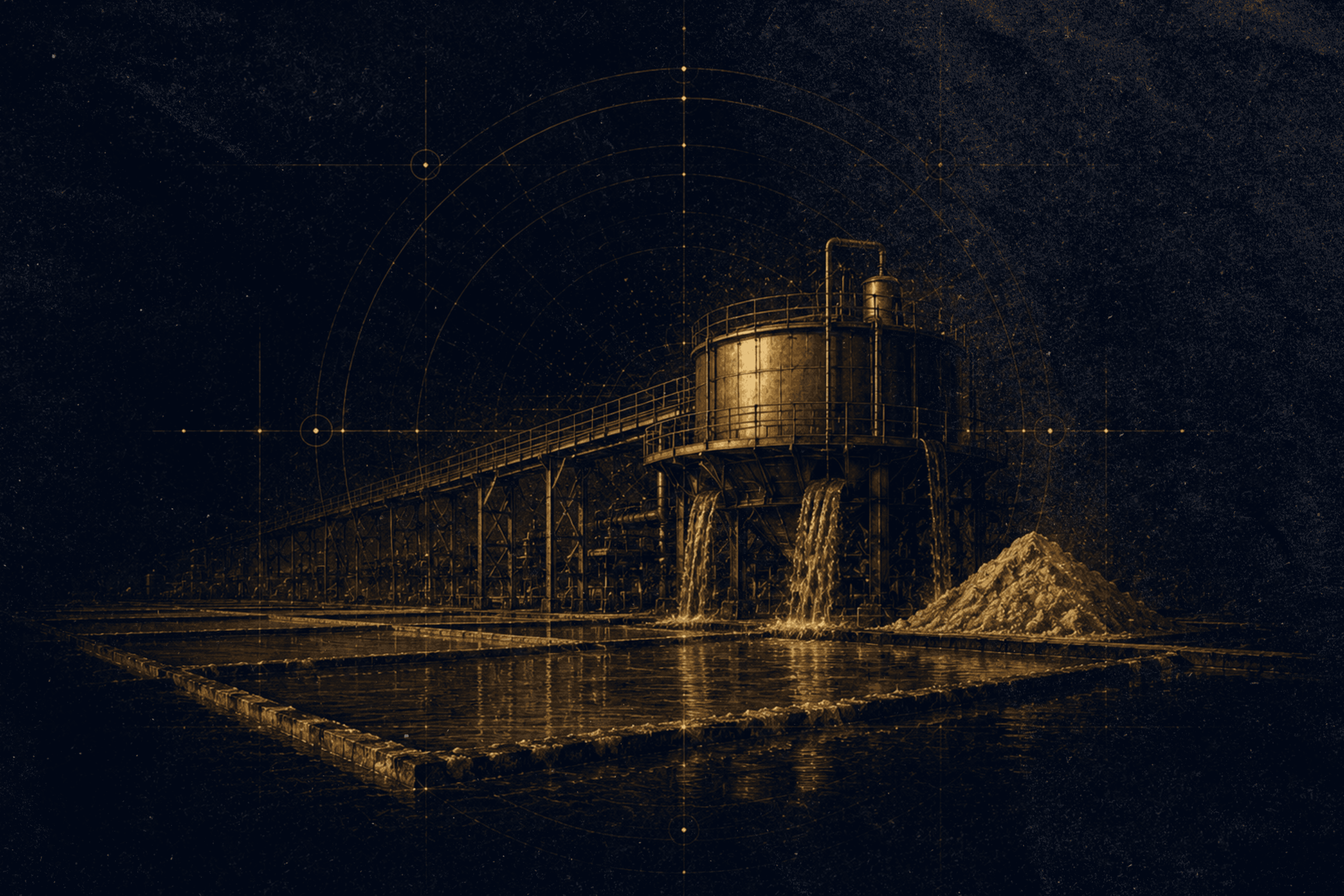
The Magrathea solution
Magrathea has developed a new generation of technology that overcomes these long-standing challenges. We have significantly simplified magnesium chloride dehydration, eliminating the process complexity that drove up capital and operating costs, as well as the energy intensity involved in every previous attempt.

From mini-pilot, to pilot, and now to commercial-scale technology
Magrathea is not a science project. The technology is proven at pilot scale, and commercial-scale technology will be commissioned in 2027. The technology has been validated at pilot scale at our Light Metal Technology Center in California, and is now being scaled to a 200 tonne/year Commercial Phase 1 demonstration plant in Southwest Arkansas.